
Rock-Solid Elegance: A Guide to Natural vs Synthetic Stone Materials for Your Furniture

Rock-Solid Elegance: A Guide to Natural vs Synthetic Stone Materials for Your Furniture
When it comes to introducing timeless luxury and organic texture into a home, nothing speaks louder than stone furniture. Whether it is a statement dining table or a sleek coffee table, stone brings an element of permanence and sophistication that few other materials can match.
However, if you are browsing for your next centerpiece at Tripoin Furniture, you will quickly find that the options extend far beyond traditional stone blocks. Today, the world of furniture design is beautifully divided into two main categories: Natural Stone and Synthetic (Engineered) Stone.
In this comprehensive guide, we will break down the most popular stone materials used in modern furniture, exploring their unique traits, pros, and cons so you can choose the perfect piece for your space.
Part 1: The Timeless Charm of Natural Stone
Natural stones are quarried directly from the earth. Each slab is a unique masterpiece millions of years in the making, featuring completely unpredictable veining and patterns.
1. Marble
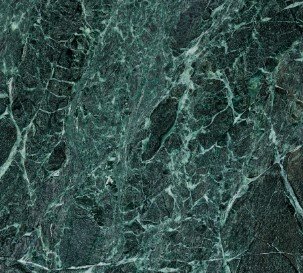
Marble remains the ultimate symbol of luxury and classic opulence. Characterized by its soft, flowing veins and a subtle luminous quality, it elevates any space instantly.
- Best Used For: High-end dining tables, elegant coffee tables, and decorative side table surfaces.
- Pros: Absolutely unique patterns, increases property value, and offers unmatched timeless appeal.
- Cons: Porous and soft. It is susceptible to staining from acidic liquids (like wine or lemon juice) and scratches easily if not sealed regularly.
2. Granite
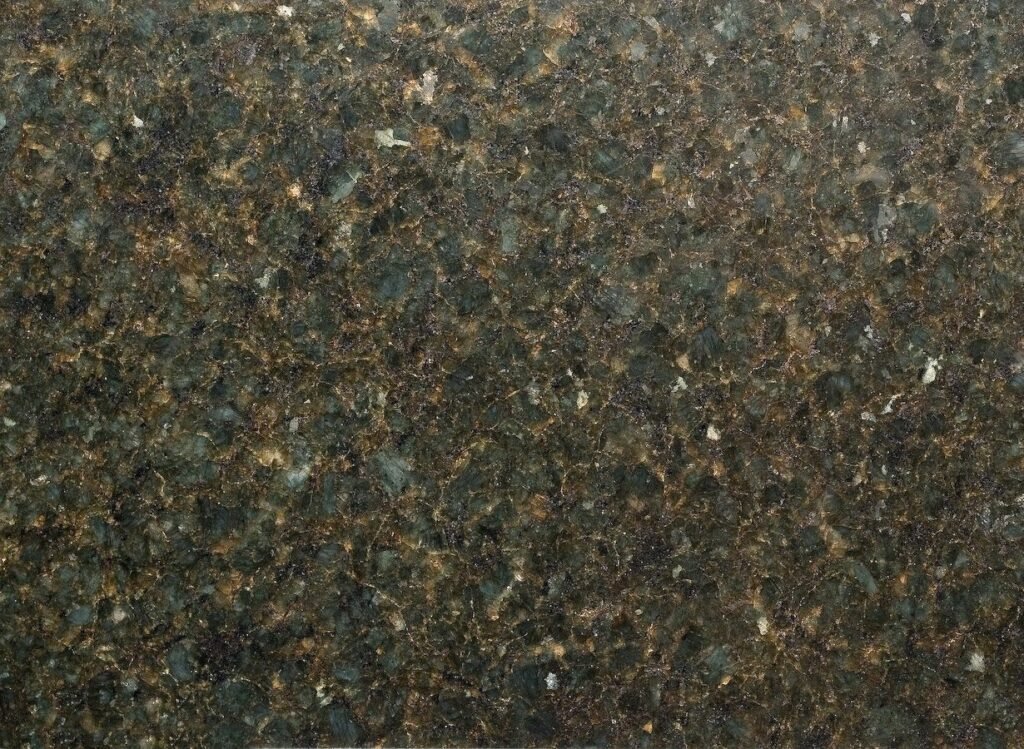
Forged from cooling magma beneath the earth’s crust, granite is one of the hardest and most resilient natural stones available. It typically features a speckled, crystalline texture rather than smooth veining.
- Best Used For: Heavy-duty kitchen island tables, outdoor dining sets, and high-traffic tops.
- Pros: Incredibly scratch-resistant, heat-resistant, and highly durable against impact.
- Cons: Very heavy, giving it a chunkier aesthetic; requires periodic sealing to maintain stain resistance.
3. Travertine
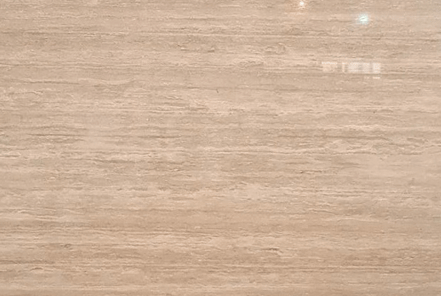
A distinct form of limestone deposited by mineral springs, travertine is famous for its warm, earthy tones (cream, beige, walnut) and its signature pitted holes. It boasts a distinctively organic, brutalist, yet warm aesthetic that is wildly popular in minimalist interiors.
- Best Used For: Sculptural plinth coffee tables, low side tables, and organic accent items.
- Pros: Gorgeous matte texture, warm natural colors, and perfect for soft minimalist or Japandi styles.
- Cons: The natural voids and holes can collect dust and crumbs if left unfilled; highly sensitive to acids.
Part 2: The Modern Innovation of Synthetic & Engineered Stone
If you love the look of stone but want effortless maintenance, consistency, and structural versatility, synthetic options offer the perfect high-tech solution.
4. Quartz (Engineered Stone)
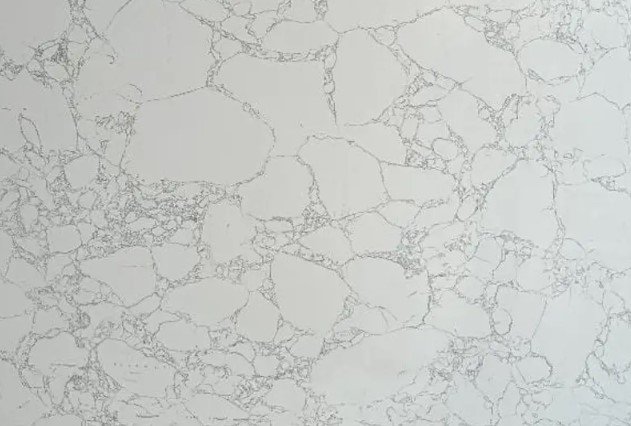
Quartz surfaces are engineered by combining roughly 90–95% crushed natural quartz crystals with polymer resins and color pigments. This creates a completely non-porous material that flawlessly mimics marble veining or granite speckles.
- Best Used For: Modern dining tables, worktops, and minimalist minimalist consoles.
- Pros: Virtually bulletproof. It is completely stain-resistant, scratch-resistant, and non-porous, meaning it never needs sealing.
- Cons: Less heat-resistant than natural stone (excessive heat can damage the binding resin); patterns look highly uniform, lacking the raw unpredictability of nature.

5. Sintered Stone
Often confused with quartz, sintered stone represents a massive leap forward in furniture manufacturing. It is made from 100% natural minerals (like porcelain components) subjected to extreme pressure and heat (sintering) to form a dense slab. It allows designers to create incredibly ultra-thin, sleek tabletops without sacrificing strength.
- Best Used For: Ultra-slim modern dining tables, outdoor weatherproof tables, and minimalist extendable tables.
- Pros: Extremely heat-resistant (you can place a hot pot directly on it), UV-resistant (won’t fade outdoors), scratch-proof, and incredibly lightweight compared to marble.
- Cons: Can be brittle around sharp, exposed edges if struck forcefully with heavy objects.
6. Terrazzo
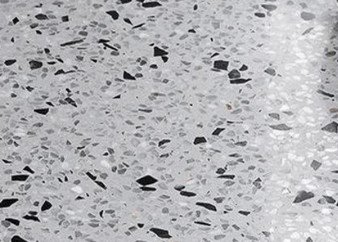
A playful blend of art and utility, terrazzo is a composite material made by embedding chips of marble, quartz, granite, or glass into a cement or polymeric base. It brings a vibrant, mosaic-like mid-century modern aesthetic to spaces.
- Best Used For: Trendy side stools, accent coffee tables, and cheerful outdoor patio tables.
- Pros: Highly customizable patterns and color palettes, eco-friendly (often utilizes recycled chips), and highly durable.
- Cons: Can feel visually busy if not styled correctly; cement-based terrazzo can be porous if not properly sealed.
Conclusion: Which One is Right For You?
Choosing between natural and synthetic stone comes down to a trade-off between authentic luxury and daily convenience:
| Material Group | Best For | Maintenance | Vibe |
| Natural Stone (Marble, Granite, Travertine) | Living spaces where you want one-of-a-kind artistry and premium prestige. | Moderate to High: Requires careful handling and regular sealing to prevent stains. | Organic, timeless, and perfectly imperfect. |
| Synthetic/Engineered (Quartz, Sintered, Terrazzo) | High-traffic homes, families with young children, and outdoor spaces. | Low: Wipe-and-go simplicity. Highly resistant to stains, acids, and scratches. | Sleek, reliable, uniform, and hyper-modern. |
At Tripoin Furniture, we believe every stone has a story to tell. Explore our latest collection of premium stone tables and find the foundation that perfectly anchors your home design.
In the end, whether you fall in love with the raw, unpredictable artistry of natural stone or the flawless, carefree resilience of engineered surfaces, your choice will set the tone for your entire home. At Tripoin Furniture, we combine international quality standards with premium materials to bring your vision to life. Send our team a message to discuss your custom OEM requirements
TRIPOIN FURNITUTRE
Email : sales@tripoinfurniture.com