

Title: How to Import Furniture from Jepara Indonesia: A Complete B2B Guide
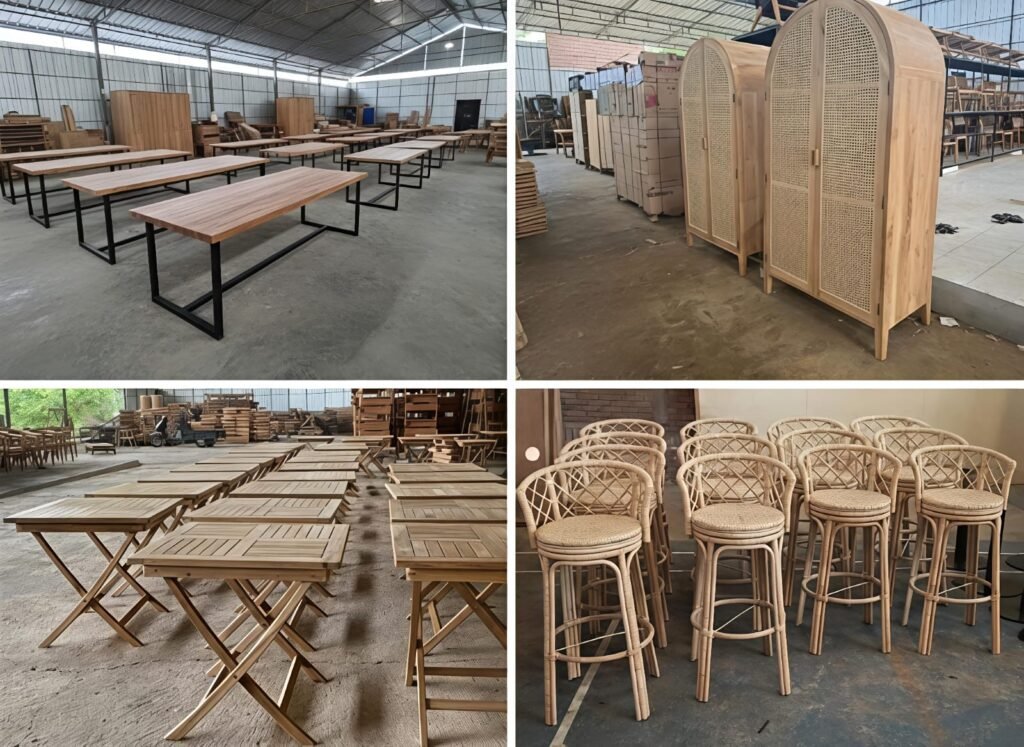
Importing high-quality wooden furniture from Indonesia is an excellent investment for
international wholesalers, hospitality developers, and global furniture brands. Jepara, known as the furniture capital of Central Java, is the ultimate sourcing hub for premium solid teak and
handcrafted designs.
However, for international buyers, navigating the logistics, custom regulations, and quality control can seem complex. This step-by-step B2B guide outlines exactly how to import furniture from Jepara safely, efficiently, and legally.
Step 1: Define Your Sourcing Requirements & Custom Designs
Before reaching out to a Jepara furniture supplier, you must define your order requirements:
● Volume: Are you ordering a Full Container Load (FCL – 20ft or 40ft container) or a Less than Container Load (LCL)? FCL is highly recommended to optimize shipping costs and prevent damage from other goods.
● Specifications: Prepare your CAD drawings, material requirements (e.g., kiln-dried teak wood, stainless steel, or synthetic rattan), and specific finishes.
Step 2: Vet the Legal Compliance of Your Manufacturer
Indonesia enforces strict regulations on timber exports to combat illegal logging. Never buy from unregulated workshops. You must ensure your partner possesses an SVLK certification
(Indonesia’s Timber Legality Assurance System), which is recognized globally, including by the
EU (FLEGT) and US customs.
At Tripoin Furniture, all raw materials are 100% legally sourced, documented, and ready for seamless international customs clearance.
Step 3: Understand the Incoterms (FOB vs. EXW)
When negotiating with a factory in Jepara, clarify the shipping terms (Incoterms):
● FOB (Free On Board): The manufacturer handles the local transport from Jepara to the nearest international port (usually Tanjung Emas Port in Semarang) and loads it onto the ship. This is the most common and recommended choice for B2B buyers.
● EXW (Ex Works): You, the buyer, are responsible for picking up the goods directly from the factory gates in Jepara.
Step 4: Quality Control & Production Lead Times
High-quality manufacturing takes time. Standard production for a full container in Jepara usually ranges from 60 to 90 days.
Ensure your supplier implements strict wood-drying processes (Kiln-Dried) to lower moisture content below 12%. This prevents the wood from warping or cracking when it arrives in countries with different climates (such as Europe or North America).
Step 5: Secure Packaging and Container Loading
Ocean freight exposes furniture to high humidity and rough movement. Ensure your supplier uses export-grade packaging:
● Foam sheets and single-face corrugated paper to protect corners.
● Silica gel bags inside the packaging to absorb moisture.
● Professional fumigation of the container before departure to meet international biosecurity standards.
Conclusion: Partner with an Export-Ready Manufacturer
Importing furniture from Indonesia is highly profitable when you work with an experienced
exporter. By choosing a structured factory that manages everything from legal SVLK paperwork to professional container loading, you protect your investment.
Streamline your supply chain today. Contact Tripoin Furniture to discuss your importing needs, check our factory capacity, and request an international B2B quotation.
TRIPOIN FURNITURE
www.tripoinfurniture.com Email : sales@tripoinfurniture.com